Recovery isn’t just about changing your behaviors. It’s also about changing the way you talk to yourself.
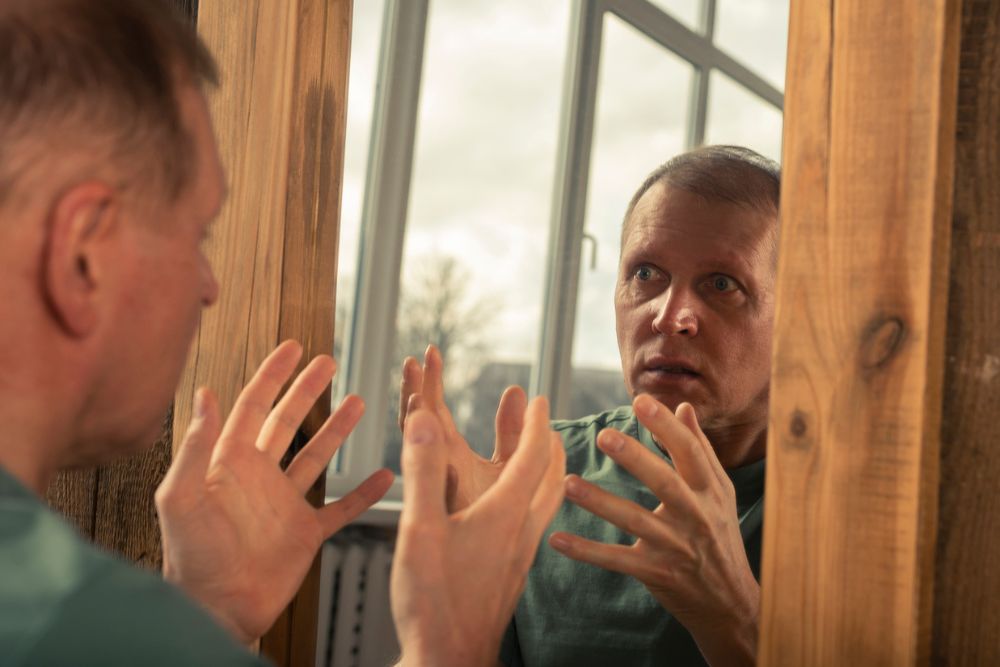
If you’ve ever caught yourself thinking you are not doing enough or that you never get anything right, you’ve experienced your inner critic at work. That voice can be relentless. It tells you to work harder, stop complaining, be stronger, and somehow do more even when you’re already giving everything you have.
The problem is that your inner critic rarely tells the whole truth. Instead, it tends to exaggerate your shortcomings while ignoring your progress. Learning to recognize that voice—and respond to it differently—is an important part of long-term recovery.
What Is Your Inner Critic?
Your inner critic is the negative voice in your mind that constantly evaluates, judges, and questions you. Sometimes it’s obvious, while other times it’s so familiar that you don’t even notice it’s there.
It might sound like:
- You’re never going to change.
- You should be farther along by now.
- Everyone else has it figured out.
- You always mess things up.
- If you’re struggling, you’re failing.
These thoughts can feel convincing, but feelings aren’t always facts. Just because your mind says something doesn’t make it true.
Why Does Your Inner Critic Get So Loud?
There isn’t one single reason. For many people, that critical voice developed long before recovery began.
You’ve Been Hard on Yourself for Years
If you’ve spent years blaming yourself for mistakes or feeling ashamed about your past, self-criticism may have become your default way of thinking.
Recovery often brings those feelings to the surface because you’re finally taking an honest look at your life. While accountability is healthy, constant self-punishment isn’t.
Perfectionism
Many people believe they have to do everything perfectly to be successful. If you miss an AA or NA meeting, have a difficult day, or make a mistake, your inner critic may convince you that you’ve failed completely.
Recovery isn’t about perfection. It’s about making progress one day at a time.
Past Trauma or Difficult Relationships
If you grew up with constant criticism, unrealistic expectations, or emotional neglect, you may have internalized those messages. Over time, the voices of others can become your own.
Comparing Yourself to Others
It’s easy to look at someone else’s recovery and assume they’re doing better than you.
What you don’t see are their setbacks, fears, and difficult moments. Comparing your journey to someone else’s usually leaves you feeling discouraged instead of motivated.
Fear of Relapse
Sometimes your inner critic believes it’s helping protect you.
It may think that if it keeps reminding you to do more, you’ll never become complacent. But constantly criticizing yourself usually creates more stress—not more success.
How Your Inner Critic Can Affect Recovery
When your inner critic takes over, you may:
- Feel like your progress never measures up.
- Focus more on mistakes than accomplishments.
- Lose confidence in yourself.
- Experience more anxiety or depression.
- Feel guilty even when you’re doing well.
- Become afraid to ask for help.
Instead of motivating you, harsh self-talk often drains your energy and makes recovery feel even harder.
How to Turn Down the Volume
Your inner critic may never disappear completely, but you can learn not to believe everything it says.
Notice the Voice
The first step is simply recognizing when your inner critic is speaking.
Ask yourself if you would say this to someone you care about. If the answer is no, you probably shouldn’t say it to yourself either.
Look for Evidence
Challenge negative thoughts with facts.
If your inner critic says you’re failing, ask yourself what evidence actually supports that belief.
Maybe you’ve attended treatment consistently, stayed sober another week, reached out when you needed support, or handled a stressful situation differently than you would have in the past. Those are real accomplishments, even if your mind tries to dismiss them.
Celebrate Small Wins
Recovery is built on small decisions repeated every day. This could include:
- Getting through a difficult craving.
- Keeping a therapy appointment.
- Being honest with someone you trust.
- Taking care of your physical health.
Each of these moments deserves celebration because they represent growth.
Practice Self-Compassion
Self-compassion doesn’t mean making excuses or avoiding responsibility. It means treating yourself with the same kindness you would offer a friend who is struggling.
Focus on Today’s Progress
Recovery isn’t measured by how quickly you reach the finish line.
Instead of asking yourself, “Why am I not farther along?” try asking:
- What did I do well today?
- What have I learned this week?
- How am I handling situations differently than I used to?
These questions shift your attention from what’s missing to what’s improving.
Remember That Recovery Is Already Evidence of Growth
Choosing recovery takes courage. Every day you continue showing up—even when it’s difficult—you are proving that change is possible.
Your inner critic may insist you’re not doing enough, but recovery isn’t about becoming perfect overnight. It’s about continuing to move forward, even when progress feels slow.
The more you acknowledge your successes, practice self-compassion, and challenge harsh self-talk, the quieter that critical voice can become. Over time, it becomes easier to replace judgment with encouragement and fear with hope.
You Don’t Have to Face Recovery Alone
If negative self-talk, mental health concerns, or substance use are making it difficult to move forward, support is available. Stone River Recovery Center in San Antonio, Texas, provides comprehensive treatment for mental health conditions and substance use disorders through residential and outpatient programs.
Contact us today to learn how treatment can support your recovery and help you move toward a healthier future.